
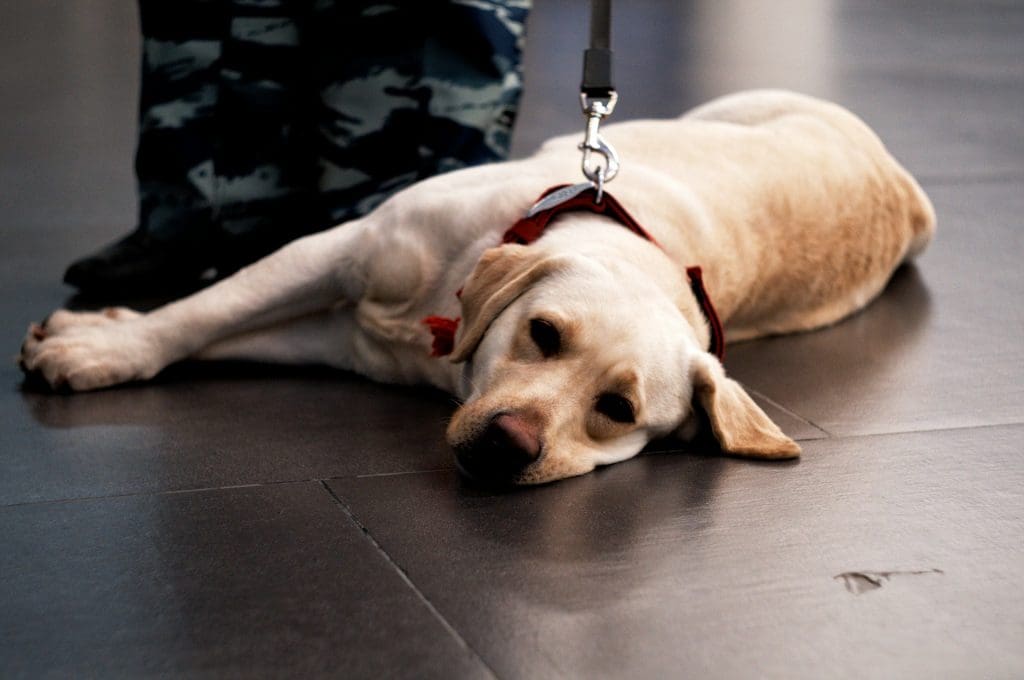
Veterinary anesthesia has changed dramatically over the years. Decades ago, the goal of anesthesia was just to keep a patient still enough for a procedure to be completed. Since that time, extensive research has been done on the perception of pain and fear in animals.
Many new medications have been developed to cover restraint, relief of fear and anxiety, and relief of pain. Since no one medication can do it all, veterinarians use a variety of medications to provide what is called multimodal anesthesia.
Why Anesthetic Choice Matters for Your Pet’s Safety
Additional research has been done about the cardiovascular effects and other organ effects of different anesthetic medications. Because our companion animals can develop a large variety of conditions that affect the safety of anesthesia, choosing the appropriate medications is vital for the comfort of our companion animals as well as decreasing anesthetic risks.
The Role of a Board Certified Veterinary Anesthesiologist
A board certified veterinary anesthesiologist is specially trained in the use of anesthetic medications and monitoring of anesthesia. Things like ECG, blood pressure, end-tidal CO2, breathing quality, temperature, and pulse oximetry are important to monitor to be able to catch anesthetic complications more quickly. When pets have pre-existing health conditions that increase their anesthetic risk, close monitoring is even more essential.
Board certified veterinary anesthesiologists are extensively trained in dealing with high-risk patients and anesthetic complications. Selectively choosing medications and closely monitoring many different parameters, they can provide your pet with a safer and more comfortable anesthetic experience.
How a Veterinary Anesthesiologist Creates a Custom Plan
The veterinary anesthesiologist first receives your pet’s medical history including a list of any pre-existing conditions. They also receive bloodwork that has been done on your pet within the last week to provide the most up-to-date picture of overall health. In addition, the board certified veterinary dentist® will send any important notes from your pet’s examination the day of the procedure.
Based on all of that information, the veterinary anesthesiologist will create a custom protocol for your pet including medications and doses for initial sedation/relaxation, induction of anesthesia, maintenance of anesthesia, and intraoperative and postoperative pain control.
This protocol will include recommendations for short-acting injectable medications as well as possible recommendations for continuous rate infusions that can be titrated to provide optimal depth of anesthesia, support of blood pressure and heart function, and pain control.
Monitoring Your Pet Throughout the Procedure
During the anesthetic procedure, the veterinary anesthesiologist will have continuous livestream access to all the monitoring parameters for your pet as well as direct continuous communication with the certified veterinary technician assigned to monitor your pet throughout the pre-operative, intra-operative, and post-operative period.
If any of the monitoring parameters are abnormal or if the veterinary technician or veterinary dentist are concerned about anything related to the anesthesia, the veterinary anesthesiologist will be able to immediately make recommendations on how to improve the anesthetic experience for your pet.
Supporting a Smooth and Comfortable Recovery
After the anesthetic procedure, the veterinary technician is able to maintain communication with the veterinary anesthesiologist to ensure the smoothest possible recovery for your pet. For more aggressive procedures, continuous rate infusions of pain medications are often continued as well as light, short-acting doses of sedation to maintain a smooth and relaxed recovery.
All pets are given a comfortable, warm, and safe place to recover. The veterinary technician will also provide your pet with the comfort of a loving human touch and voice to help them know they are not alone as they recover.
Veterinary Dental Specialists of Missouri: Our Commitment to Patient Safety
At Veterinary Dental Specialists of Missouri, all of our patients receive the benefit of a board certified veterinary anesthesiologist for their procedures. Call us or go to acvaa.org if you have questions about veterinary anesthesiology.
Images used under creative commons license – commercial use (09/29/2025) Photo by Artem Labunsky on Unsplash