
The inside of a tooth is filled with sensitive pulp tissue containing blood vessels and nerves. This pulp is what causes pain when we eat cold foods or chip a tooth, and dogs and cats experience the same discomfort when their teeth are injured.
When the pulp becomes traumatized or inflamed, it can swell and lose its blood supply, leading to tissue death. This condition, known as endodontic disease, causes pain and abscesses (infections) around the tooth root. The goal of root canal therapy for dogs and cats, also called endodontic therapy, is to remove the diseased pulp, sterilize, and seal the canal. Afterward, a tooth-colored restoration similar to those used in humans is placed in the access opening.
What Causes Endodontic Disease in Pets
The following conditions or events can lead to endodontic disease and may indicate the need for endodontic therapy:
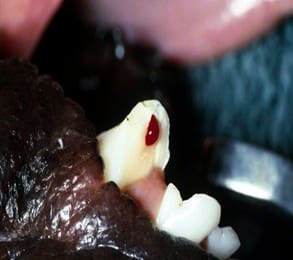
- Long-term or sudden pulp exposure
- Irreversible inflammation of the pulp or discolored teeth (pink, purple, blue, gray, or beige)
- Tooth crowns amputated due to traumatic malocclusions
- Teeth with root tips passing through jaw fracture lines
Root Canal Therapy for Dogs and Cats: Treatment Options
1. Standard Endodontic Therapy
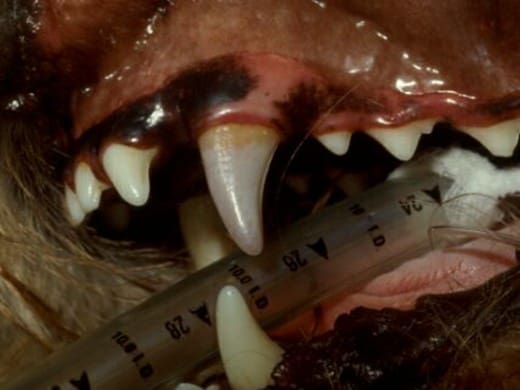
The pulp is removed from the chamber and root canal through the crown. The canal is then sealed and filled with an inert material, followed by placement of a restoration at the fracture or access site.
2. Surgical Endodontic Therapy
Used for teeth with diseased root tips, this procedure involves surgically removing and sealing the root tip after root canal therapy. Because infection is already present, the success rate is lower than standard therapy.
3. Vital Pulp Therapy
Performed on some young dogs with very recent fractures (usually within 24 hours) or for teeth that are out of alignment and causing trauma to surrounding tissues (known as traumatic malocclusion).
4. Extraction
When root canal therapy is not feasible due to cost, fractures below the gumline, anesthesia risks, small teeth, or periodontal disease, extraction may be chosen to relieve pain. However, removing large teeth can decrease jaw stability and function and sometimes cause bite issues with opposing teeth.
Crown Placement and Follow-Up Care for Root Canal Therapy
Because root canal therapy can weaken tooth structure, a full metal crown restoration may be recommended. Due to the advanced training and experience required, these procedures should always be performed by a Board-Certified Veterinary Dental Specialist®.
Regardless of crown placement, follow-up dental X-rays (radiographs) are essential, first at six months, then every two years, to ensure there are no signs of disease around the root tip(s). These rechecks require anesthesia to safely and accurately obtain the images.
When to Seek Help
If you suspect your pet may need dental care or you have questions about root canal therapy for dogs and cats, contact us or find a Board-Certified Veterinary Dental Specialist® near you: https://avdc.org/find-vet-dental-specialist/.
Images used under creative commons license – commercial use (10/21/2025) Photo by Martin Podsiad on Unsplash