Dental care is an important aspect of helping senior pets age well. As pets age, dental disease in senior pets becomes more common, including conditions like oral cancer and periodontal disease. These conditions decrease the quality of life of our senior pets by causing pain and inflammation and often allowing toxic products of abnormal tissue to circulate in the pet’s body.
Common Signs of Dental Disease in Senior Pets
Common signs of oral disease in senior pets can include:
- Decreased activity or energy level
- Decreased appetite
- Decreased interaction with owners and other pets
- Irritability
- Bad breath
- Weight loss
These changes in behavior and physical health can be caused by a variety of other health conditions. An exam by your veterinarian is the first step to determine if oral disease could be a cause of these changes.
Why a COHAT Is Recommended for Senior Pets
If oral disease is thought to be a possible cause of a pet’s declining health and comfort, a COHAT (Comprehensive Oral Health Assessment and Treatment) is the recommended course of action. This includes:
- A thorough oral exam
- Dental imaging
- Diagnosis and treatment of any disease that is discovered
This procedure is done under anesthesia for the safety of the pet and to allow any needed treatment to be performed.
Is Anesthesia Safe for Senior Pets?
Often in veterinary medicine we hear owners of senior pets say “They are too old to have a dental procedure” or “My pet is too old for anesthesia.” Our response is often “age is not a disease,” but what does that mean?
Older animals are not automatically disqualified from an anesthetic procedure because of their age. Age can bring with it pre-existing conditions or diseases that can make anesthesia more difficult or risky, but age alone is not a reason to avoid anesthesia.
At Veterinary Dental Specialists of Missouri, we perform a variety of pre-anesthetic testing and work with a Board Certified Veterinary Anesthesiologist® to increase the safety and comfort of all of our patients, including senior and geriatric pets.
Advanced Dental Imaging and Care for Senior Pets
In addition to using a Board Certified Veterinary Anesthesiologist® for all procedures, at Veterinary Dental Specialists of Missouri, we are able to decrease our overall anesthetic time for each procedure through the use of rapid advanced imaging and over 25 years of experience in dentistry and oral surgery.
Our Cone Beam Computed Tomography (CBCT) can get comprehensive imaging of the whole skull and oral cavity in less than one minute, allowing our Board Certified Veterinary Dentist® to visualize the roots of every tooth from every angle as well as determine any locations of bone loss in the jaw and skull.
His knowledge and skill built over the years can then be used to treat the disease that is found in the quickest and least traumatic way, providing the pet with the best chance to heal quickly and get back to enjoying life with a healthier and pain-free mouth.
Dental Pain Is Often Mistaken for “Slowing Down”
Another phrase we often hear is “we are just trying to keep him/her comfortable.” While a senior pet with dental disease can appear to be comfortable, it is important to look at their condition as if it were our own.
Imagine you had a mouth full of rotten teeth that had destroyed large amounts of the bone in your jaw. Imagine you had a mass in your mouth that was destroying your jaw bone and had rotten tissue that made you feel sick.
Severe Dental Disease Can Affect a Senior Pet’s Quality of Life
When we see conditions like this in a human, we call it a dangerous and painful condition. Animal physiology is not so different from our own. This level of dental disease is just as dangerous and painful in our pets as it would be in our own bodies.
The constant inflammation and infection along with deeply felt dental and bone pain is debilitating. Our pets just learn to hide it well. Many owners attribute their pet’s decrease in activity to “slowing down with age.”
Based on reports from many of our clients after their pet’s procedure, we know this decrease in activity can often be reversed by improving the pet’s dental health.
Helping Senior Pets Stay Comfortable and Healthy
If you think your senior pet’s behavior changes might be due to dental disease in senior pets, contact your veterinarian for an oral exam, give us a call at 636-695-9955, or fill out our new client form to request an appointment.
We would love to help your senior friend live their golden years with a comfortable mouth!
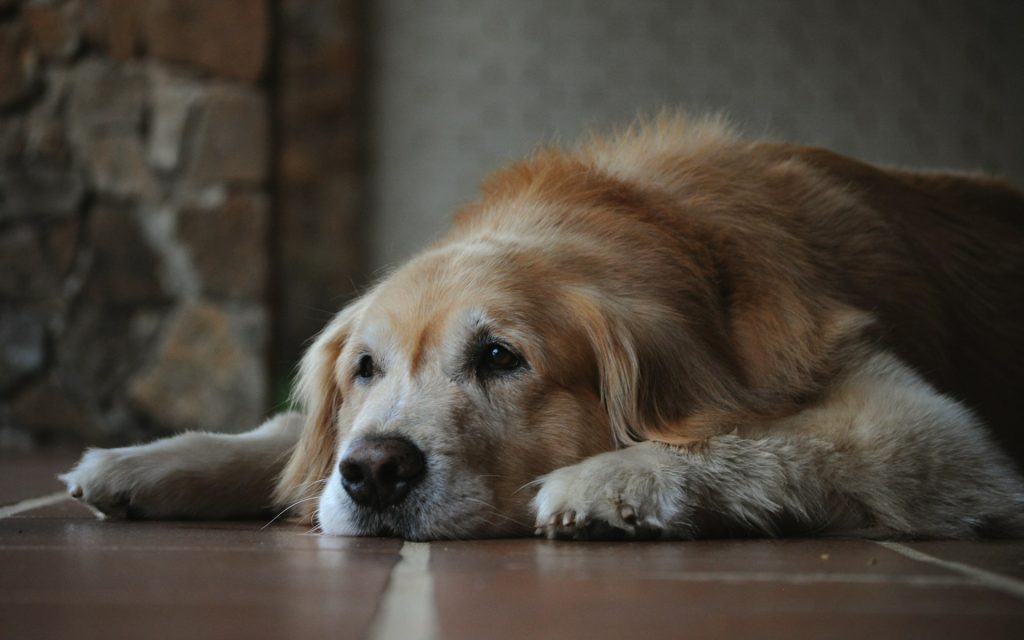
Photo by Linoleum Creative Collective on Unsplash used with permission under the Creative Commons license for commercial use 05/21/2026